Hello@reuseabox.co.uk
 01636 626 476


 14 October 2024
Bubble wrap has long been a popular choice for protecting fragile items during shipping.
But, as it is made from polythene, a petroleum-based plastic, its production and disposal have an environmental impact. In Europe, plastic waste, including packaging like bubble wrap, has become particularly problematic. According to a report by the European Environment Agency (EEA), plastic accounts for about 39% of packaging waste. On top of that, less than 30% of plastic waste is collected for recycling.
The environmental impact of bubble wrap
- Non-Biodegradable: Traditional bubble wrap is non-biodegradable, meaning it will stick around in landfills for hundreds of years. In the UK alone, it is estimated that 2.5 million tonnes of plastic packaging waste are generated every year. This contributes significantly to the growing plastic waste problem. A 2018 report from the Ellen MacArthur Foundation has warned that plastic could outweigh fish in the oceans by 2050 if current trends continue.
- Microplastic Pollution: As plastic packaging break down, they form microplastics that enter soil, waterways, and marine ecosystems. Worryingly, studies show that over 80% of marine litter is plastic. These microplastics have been detected in marine organisms, and they even enter the food chain. According to research, people could be ingesting up to 50,000 microplastic particles annually.
- Recycling Challenges: While it can technically be recycled, it is often not accepted by standard recycling channels due to the specialised equipment required to process soft plastics. This means most bubble wrap ends up in landfills or incineration plants, contributing to carbon emissions.
Biodegradable and Recyclable Bubble Wrap: Are they the solution?
To address concerns over plastic waste, some manufacturers have developed biodegradable and recyclable bubble wraps. However, these alternatives come with their own challenges:
- Biodegradable Bubble Wrap: Biodegradable bubble wrap is often made from plant-based materials like cornstarch. While it can break down under the right conditions, this usually requires industrial facilities that most consumers and businesses do not have access to. In the UK, for instance, only a small percentage of biodegradable packaging is composted in such facilities.
- Recyclable Bubble Wrap: Recyclable bubble wrap, typically made from low-density polyethene (LDPE), is more environmentally friendly. But it still faces recycling challenges. While the material can technically be recycled, it is not widely accepted by local council bin collections in the UK or across Europe. Consumers are required to bring it to specific drop-off locations, which many are unaware of or find inconvenient.
A better alternative: Honeycomb Paper Roll
Given the limitations of biodegradable and recyclable bubble wraps, switching to a honeycomb paper roll alternative is considered a much more sustainable and eco friendly solution. That is because it is made from fully recyclable materials and won’t contribute to plastic waste. On top of this, honeycomb paper can be easily recycled by consumers. This making it a much better solution for e-commerce brands.
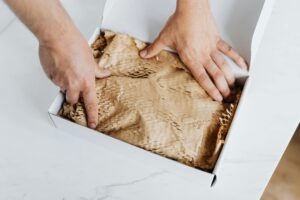
Our honeycomb paper and eco mailing bags provide the same cushioning and protective properties as bubble wrap but without the harmful environmental impact. And by making the switch, you can reduce your reliance on plastic packaging and help tackle the growing plastic pollution crisis in the UK and Europe.


 16 September 2026