Hello@reuseabox.co.uk
 01636 626 476


 30 September 2026
If you’re moving house, you’ll probably need a lot of boxes. On average, a full home needs 40 to 80 boxes.
You’ll also need them to arrive well before the moving van does. Order too few, or too late, and you end up stuffing your last few cupboards and clothes into bin bags. Let’s be honest, bin bags aren’t the ideal packing material. They’re flimsy, awkward to stack and leave everything smelling faintly of plastic (not to mention they’re not great for the environment).
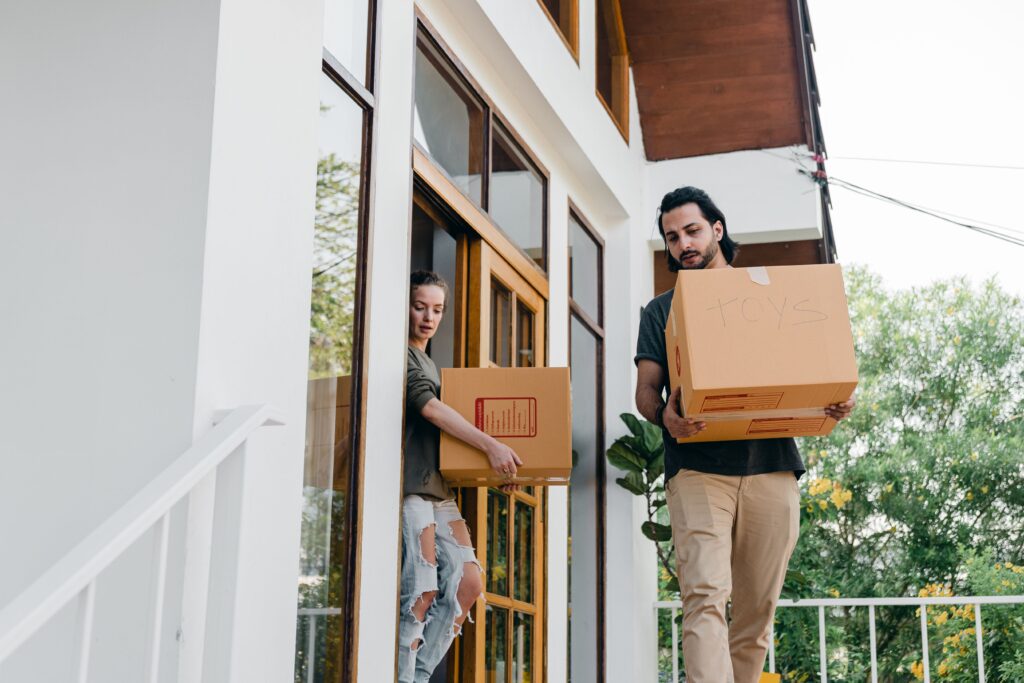
So that leaves us with… boxes!
But where do you get moving boxes from? What’s a good price? What type of box do you need? When should you order them? And how many do you even need for all your things?
This guide explains where to buy moving boxes in the UK. It compares each option on cost, quality, and convenience. It also helps you choose the best boxes for your house move.
Where Can You Buy Moving Boxes in the UK?
There are six main routes, and each suits a different kind of mover.
Specialist online box suppliers
These suppliers sell boxes made for moving, often as pre-mixed packs, so you’re not working out the small, medium and large split yourself. Delivery is to your door, and you can order weeks ahead. This is usually the best balance of price and quality for a full house move.
Self-storage companies
Self-storage firms often sell the same double-walled boxes removal companies use, sometimes with wardrobe boxes and archive boxes too. Some even offer online ordering for next day delivery or pick-up in store. Good for strong boxes and specialist items, though you’re usually paying new-box prices, which can add up.
High street and hardware shops
Hardware shops and some supermarket branches stock basic boxes. That’s fine for a handful of last-minute extras, but it rarely works out cheapest for a whole house, and size ranges can be limited.
Removal companies
If you’re already booking movers, ask whether they supply boxes. They know what works for books, kitchenware and clothes. Compare their price against an online supplier before you commit.
Plastic crates (rented or bought)
Plastic moving crates are tough and stack well. They do not need tape or assembly. Many companies rent them for your move and then they collect them afterward.
They’re a good fit if you want sturdy boxes with no leftover cardboard, but rental is charged for the hire period from about £0.57 to upwards of £5 per box per week. As well as this, buying crates outright costs far more than cardboard, for a move you’ll only do once in a while.
You’ll also need to plan for the return if you hire them, and stock can be limited for a large house. Also, we know we talk about it a lot… but plastic really isn’t great for the environment.
Free and second-hand boxes
Friends, family, local shops, Gumtree and Facebook Marketplace can all turn up free boxes. It costs nothing, but sizes, quality and strength are inconsistent, and a collapsed box full of crockery makes an already stressful experience even more expensive and draining.
Are Used Moving Boxes Actually Any Good?
People assume a box that’s done one job has less to give the second time round. That’s not the case.
Corrugated cardboard doesn’t meaningfully lose strength after one use, and a good used box supplier checks each box before resale to make sure it’s still perfectly up to the task. Reuseabox moving boxes are double wall as standard, holding up to around 25kg.
What you don’t get is a guarantee that every box looks identical, because each one has already had a first life. That’s a cosmetic difference, not a structural one.
Used boxes also skip the manufacturing cost, and that’s where the saving comes from. Buying used means no new cardboard has to be made, so you also avoid the use of trees, carbon, water and energy that go into producing one.
What to Check Before You Buy
Whichever route you choose, ask these before you order:
Are the boxes double wall?
Single wall is fine for light items. For books, kitchenware and anything fragile, double wall is worth having, especially if the boxes will be stacked on top of each other in a moving van.
What sizes do you get?
A suitable mix of sizes matters more than a big number. Small cardboard boxes for heavy items like books, medium for kitchen goods, large for light and bulky things like duvets. Our packing box sizes guide explains which size suits which items in your home.
How many boxes do you actually need?
Most people guess too low. Use our room-by-room guide to work it out before you order.
If buying or getting free used boxes, how have they been checked?
Ask or find out what checks have been done for damage, moisture and crushing before boxes are resold or gifted to you.
What’s the delivery time?
Order early, ideally two weeks before your move. If you’re short on time, ask what the quickest option is.
Why Moving House Packs Save You Time (and Guesswork)
One of the biggest headaches with a move is working out how many boxes you need and in what sizes. Pre-mixed packs take that off your plate.
Reuseabox has 8 house moving packs, from our 20-box Student Moving Boxes Pack all the way up to our 75-box XL Home Moving Boxes Pack. Each is built from a mix of small, medium and large boxes, with bubble wrap and tape included. You can swap plastic tape and bubble wrap for paper tape and honeycomb paper if you’d rather ditch the plastic. If a pack falls a little short, you can top up with individual boxes.
Browse our moving house packs →
What Happens to Your Boxes After the Move?
Don’t push them straight into the recycling bin. Keep them for storage, pass them to a friend who’s about to move, or flatten them and recycle them as a last resort. Reuse sits above recycling in the waste hierarchy, so the longer a box stays in use, the better.
Frequently asked questions
Where is the cheapest place to buy moving boxes?
Free boxes cost nothing, but for a full house move a used box supplier is usually the cheapest reliable option.
Are used moving boxes as strong as new ones?
Yes. Corrugated board doesn’t lose meaningful strength after one use, and reputable suppliers check stock before reselling it.
How many moving boxes do I need?
It depends on your home and how much you own, but a typical UK house often needs 40 to 80. Use our room-by-room guide to work it out before you order.
How far ahead should I order?
Ideally at least two weeks before your move, so you can pack room by room without a last-minute scramble.
What can I do with moving boxes after I've moved?
Store things in them, pass them on, or flatten and recycle them.
The Bottom Line
You can buy moving boxes in plenty of places, online and in person, but the cheapest option isn’t always the best one. Free boxes are great for a few extras, high street shops are fine in an emergency, and self-storage firms are handy for specialist items. For a full house move, a specialist supplier with pre-mixed packs saves the most time, and used boxes save the most money and the most carbon.


 16 September 2026